
Super Head Soccer Goal-Line Defense Habits
Composure on the line wins ugly ranked matches—clear selection, jump discipline, and clean-sheet mindset.
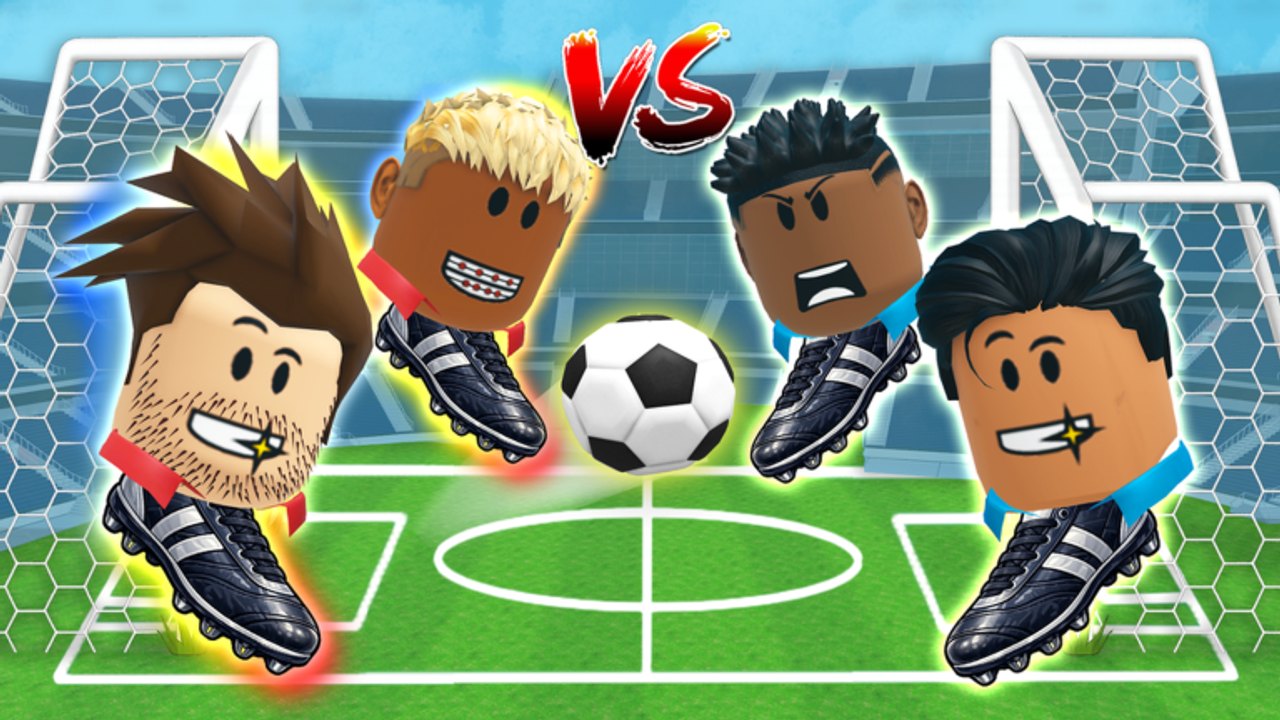
Most Super Head Soccer highlight reels end with a rocket. Most ranked nights are decided on the goal line, where panic jumps and bad clears gift tap-ins. This guide builds goal-line habits: how to stand, when to leave your feet, how to choose head vs shoe clears, and how to hold a clean-sheet mindset without becoming a permanent camper.
The Roblox experience—often listed as [RANKED] Super Head Soccer by God Bless Zak / 1Day Games—is a snappy 2D 1v1. Defense is not passive. It is active selection under chaos. Study this beside Playstyles, the Tier List, and How to Win 1v1.
Why the line decides ladders
Short matches amplify single mistakes. One early jump on the line can erase three minutes of good midfield work. That is why composure ranks as an S-tier habit on strategy pages and why goal-line keeper identities climb even without trailer goals.
Clean sheets are not about never being attacked. They are about surviving pinball sequences without inventing a worse bounce.
Goal-line stance checklist
When the ball enters your box:
- Center yourself relative to the most dangerous lane, not the spectator camera drama.
- Choose surface early—header or shoe—before the bounce arrives.
- Ask if a jump is required. Many saves are ground contacts.
- Plan the clear destination—wide vs central—before you touch.
- Prepare the recovery step after contact so you are not stranded.
If you only react after the bounce peels off your avatar, you are late by design.
Panic jumps: the silent own-goal
Panic jumps happen when fear outruns timing:
- Opponent charges a power move and you leap on the wind-up instead of the release.
- A high ball looks “scary” so you leave early and watch it drop behind you.
- You double-jump because the first jump was emotional, not geometric.
Anti-panic rules
- Late jumps beat early jumps near your net.
- If unsure, prioritize position over aerial heroics.
- After a scare, reset stance instead of mashing Space / jump again.
- On mobile, keep thumbs calm; travel distance makes spam worse—see Controls.
Record casual drills where your only score metric is “no early jumps conceded.”
Head clears vs shoe clears
Neither surface is universally best. Choose by bounce height and urgency.
Headers
Use when the ball is already high, you can meet it at the top of a controlled jump, and you need a redirect more than a drive.
Risk: mistimed headers pop vertically and reset pressure on your skull.
Shoe clears
Use when the ball is lower, you can step into it, and you want a directed wide escape.
Risk: swinging through traffic can miss entirely and open a tap-in.
Decision shortcut
| Situation | Prefer |
|---|---|
| High dropping ball, opponent late | Controlled header |
| Low skid across the six | Shoe clear wide |
| Pinball at knee height | Small shoe touch to kill speed, then second clear |
| Opponent camping middle | Wide clear (either surface) |
| You can chase the bounce yourself | Central clear is acceptable |
Wide clears beat heroic central clears when you are protecting a lead.
Clean-sheet mindset without camping forever
Goal-line keeper playstyles win ugly, but permanent camping invites chips and delayed powers. Balance:
- Protect first while the opponent has momentum.
- Step into midfield after a safe clear wins you breathing room.
- Counter once using the sequence from How to Win 1v1: absorb → second touch forward → finish.
- Return deep if they reload pressure—ego walks are how clean sheets die in minute three.
Clean sheet thinking is error budgeting: allow boring play; forbid meltdown play.
Defending charged powers on the line
When you see charge posture:
- Do not mirror-leap on the first frame of threat.
- Shade the far-post lane they love.
- Be ready for a cancel into a soft touch.
- If they release early, block with position; if they whiff, counter immediately.
Power threat is psychological. Your job is to make their green-light window feel smaller than their yellow-light fear.
Lead protection routines
Up by one:
- Shrink experiments.
- Clear wide on purpose.
- Refuse midfield vanity touches that rewind the ball into your box.
- Use map voting downtime between rematches to breathe—not to reopen the wound of a near-concession.
Down by one:
- Still clear safely first; desperation line swings concede the second goal.
- Increase pressure only after the ball leaves your danger zone.
These habits sync with the Ranked Guide stop-loss philosophy: composure is MMR.
Practice plan for line workers
Day 1: Casual matches scored only on early-jump count (lower is better).
Day 2: Only wide clears allowed when defending a lead.
Day 3: Alternate goal-line keeper identity with a counter-scorer finish quota.
Day 4: Ranked block with the single cue “late jumps on the line.”
Day 5: Review losses; if concessions were panic leaps, reread this page before grinding again.
Optional: study long clean-sheet attempts in videos for patience patterning, then copy the patience, not the entire idle camper look.
Linking defense to identity and tiers
- Playstyles — lean goal-line keeper when flipped to your non-preferred side or when protecting leads.
- Tier List / Strategy Tiers — treat line composure as premium ranked value.
- Power Moves — know what you are defending against.
- Updates — retest bounce feel after beta patches; August 2026-era changes can alter clear timing.
Avoid “defense scripts.” Fair reads beat banned shortcuts—see Scripts Hub.
Myths that leak goals
- Myth: Good defenders never jump. Reality: They jump late and on purpose.
- Myth: Every clear must be a rocket. Reality: Soft kills into wide space are elite.
- Myth: Clean sheets require zero attacks against. Reality: They require surviving attacks without panic.
- Myth: Aggression always beats camping. Reality: Unfunded aggression feeds counters; disciplined line play climbs.
Put it together
A strong Super Head Soccer goal line looks uneventful: centered feet, chosen surface, late jump or no jump, wide clear, recovery step, optional counter. That uneventful sequence is how you beat flashy opponents who only trained finishes.
Return to the Guides Hub for offense/defense balance, and keep Official Links ready when community challenge matches show high-level line discipline under pressure.
Frequently Asked Questions
Quick answers for Super Head Soccer players.
How do I stop conceding easy goals on the line?
Delay jumps, choose head vs shoe before the bounce, and clear wide when the opponent camps the middle. Panic double-jumps are the most common leak.
Should I always header the ball away?
No. Headers suit high drops; shoe clears often better direct low skids wide. Pick the surface that matches bounce height and urgency.
Is camping the goal the best ranked strategy?
Not forever. Protect under pressure, then step out after safe clears to counter. Permanent camping invites chips and delayed powers.
What should I practice in casual for defense?
Run sessions scored on early-jump count and wide-clear discipline before returning to ranked with a single composure cue.
Which pages complement Goal-Line Defense?
Read Playstyles, the Tier List, How to Win 1v1, and Power Moves so your clears connect to identity, rankings, and the shots you must stop.